


Xinhua Commentary: History has no single track
Xinhua
06 Jun 2026, 14:15 GMT+10
 Share
Share
 Tweet
Tweet
 Share
Share
 Flip
Flip
 Email
Email
Subscribe and Follow
Get a daily dose of Munich Metro news through our daily email, its complimentary and keeps you fully up to date with world and business news as well.


News RELEASES
Publish news of your business, community or sports group, personnel appointments, major event and more by submitting a news release to Munich Metro.
More InformationDublin GP found guilty over anti-vaccine posts
DUBLIN, Ireland: A general practitioner and former member of the Medical Council has been found guilty of professional misconduct because...
Moderna among groups funded to fight Ebola outbreak

GENEVA, Switzerland: Global health organization CEPI has committed roughly $60 million to accelerate the development of vaccines against...
Hungary's PM warns of legal action if president does not resign

BUDAPEST, Hungary: Hungarian Prime Minister Peter Magyar said on June 1, after meeting President Tamas Sulyok, that if the president...
Czech castle's collection of precious wine goes on display
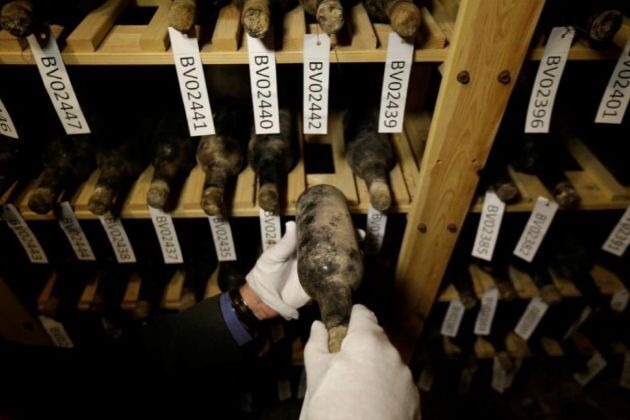
BECOV NAD TEPLOU, Czech Republic: A collection of wine from the late 19th century, which had been hidden for many years under the floor...
Crude prices surge on Hormuz blockade concerns and tensions

NEW YORK CITY, New York: Oil prices surged by about $5 a barrel on June 1 as fears of further disruptions to global energy supplies...
Ireland set to push ahead with bill to send defense forces abroad

DUBLIN, Ireland: The Government plans to move ahead with proposals to remove the triple lock system that controls overseas deployment...
North Korea unveils new plant to produce fuel for nuclear weapons
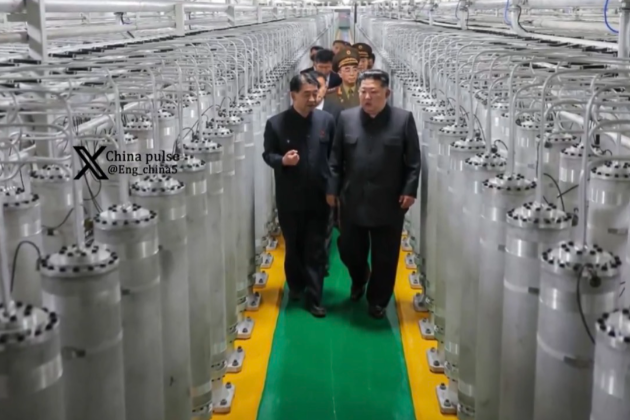
SEOUL, South Korea: North Korea, on June 4, revealed a new facility for producing fuel used in nuclear weapons, with leader Kim Jong...
Dublin GP found guilty over anti-vaccine posts
DUBLIN, Ireland: A general practitioner and former member of the Medical Council has been found guilty of professional misconduct because...
China criticizes Rubio for comments on Tiananmen protest anniversary
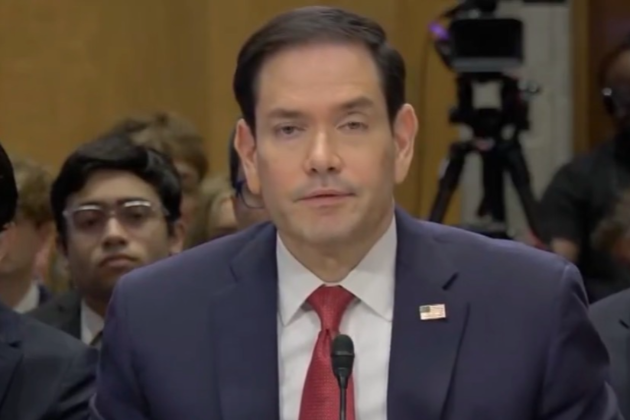
BEIJING/TAIPEI: China, on June 4, strongly criticized comments made by U.S. Secretary of State Marco Rubio about the deadly crackdown...
Prospects for ending war hit as Hezbollah rejects ceasefire deal

DUBAI/BEIRUT: The Iran-backed Hezbollah group rejected a new ceasefire in Lebanon on June 4, while Israel said it would not pull its...
Criminals in Ireland grooming children to work in drug trade

DUBLIN, Ireland: Children as young as seven are being targeted by criminal gangs in parts of Ireland and trained to carry drugs and...
Washington targets Iranian digital asset firms in crackdown
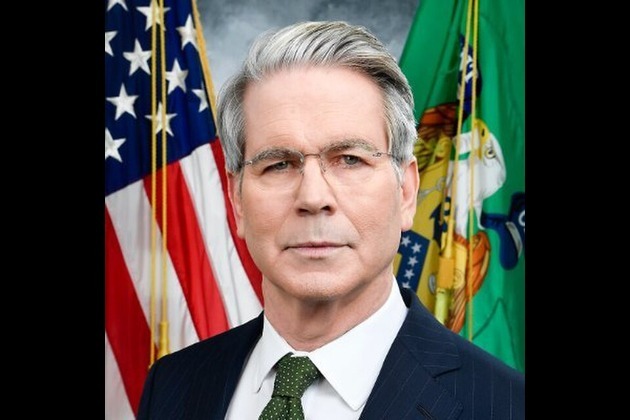
WASHINGTON, D.C.: The Trump administration this week imposed sanctions on Iran's largest digital asset exchange and three other cryptocurrency...
